We've all been there. You scroll past a beautifully stitched saree on Instagram, double tap, maybe share it on your story, and move on. But supporting artisans, especially women artisans from underserved communities, goes far beyond making a purchase. It's about building a relationship with the craft, the community, and the cause behind it.
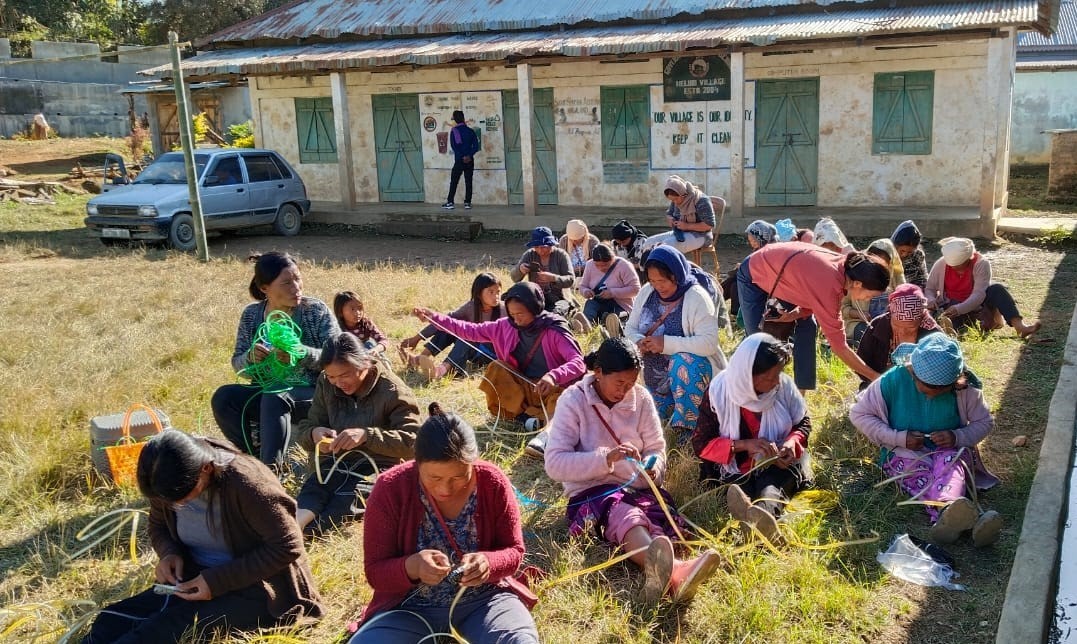
At Minds of Meraki Foundation, we work closely with women artisans across India. From crochet artists in Uttarakhand to silk weavers connected to SEWA Bharat, we've seen firsthand what actually makes a difference in their lives. And while buying their products is a great start, it's only one piece of the puzzle.
Here's how you can go further.
Learn About the Craft Before You Buy
Every handmade product has a story. That embroidered dupatta took hours, sometimes days, to make. The chikankari from Lucknow, the applique from Rajasthan, the banana fibre bags from Karnataka. Each of these traditions carries generations of knowledge.
When you take time to understand what goes into making something, you begin to see its true value. You stop comparing it with fast fashion prices. You start seeing the hands behind the product instead of just the product itself. Follow artisan-focused pages on social media, read up on traditional crafts, and talk about them with people around you. Awareness is the first step toward meaningful support.
Share Their Stories
This one is simple but incredibly powerful. If you follow an artisan or an organization that works with artisans, share their posts. Tag your friends. Write about them on your own page. The reach of social media is something we often underestimate.
When we participated at Dilli Haat's Lok Samvardhan Parv in July 2024, a national handicraft exhibition organized by the Ministry of Minority Affairs, our artisans achieved over Rs 1.6 lakhs in sales. A big part of that success came from people who showed up because they had seen our posts being shared by others. Word of mouth, whether online or offline, matters more than we think.
Volunteer Your Skills
Not everyone has the means to donate money, and that's completely okay. But maybe you're a graphic designer who can help an artisan create a logo for her small business. Or a photographer who can shoot product images for an Instagram page. Maybe you know how to make reels or write captions that tell a compelling story.
During our Art-Entrepreneurship Bootcamp in Dehradun in January 2024, we saw how much of a difference it made when volunteers with marketing and design skills stepped in to help artisans build their brand identity. Skills like digital marketing, pricing strategy, and even basic accounting can transform an artisan's business. If you have any of these, consider offering them.
Attend Exhibitions and Events
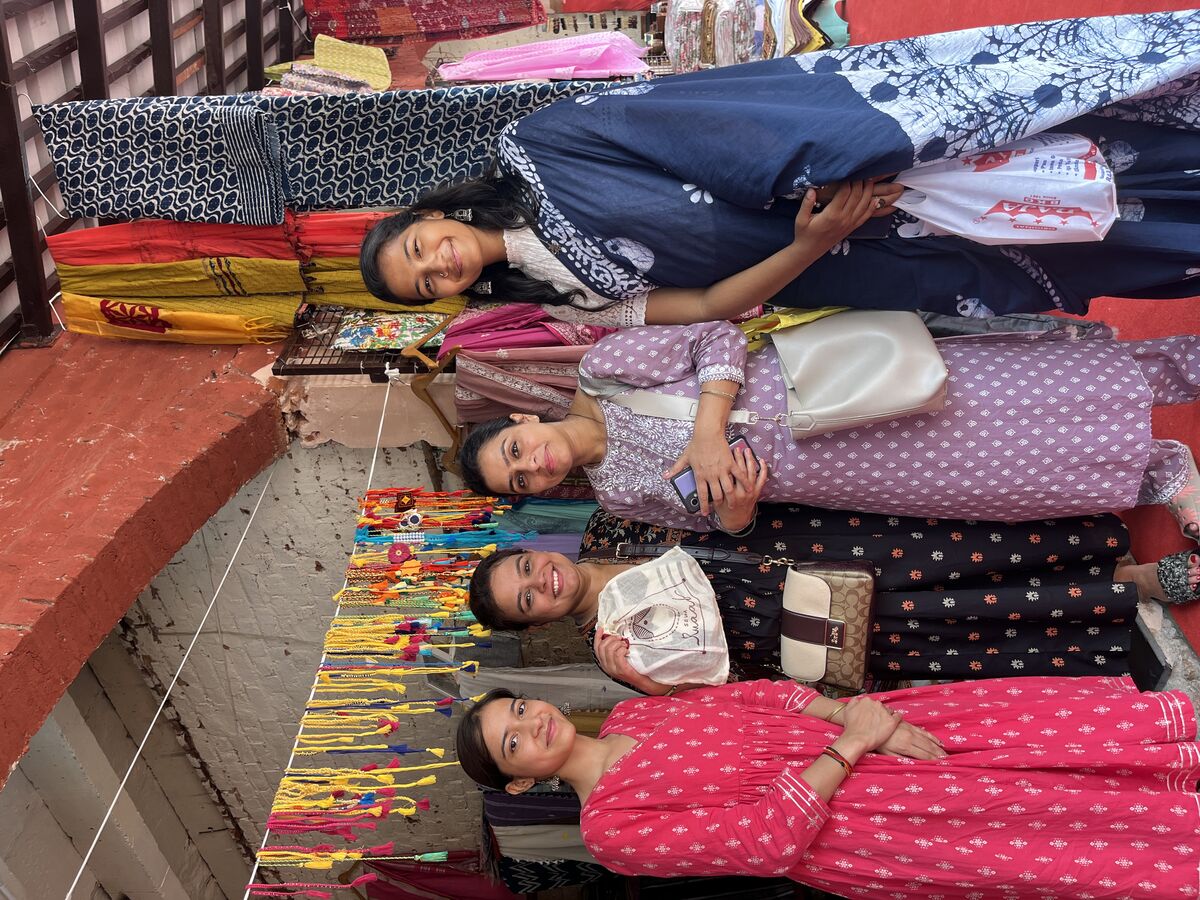
Showing up is a form of support that doesn't get enough credit. When you attend a craft fair or an artisan market, you're not just a potential buyer. You're someone who took the time to be there, to engage, to ask questions about the craft. That validation matters.
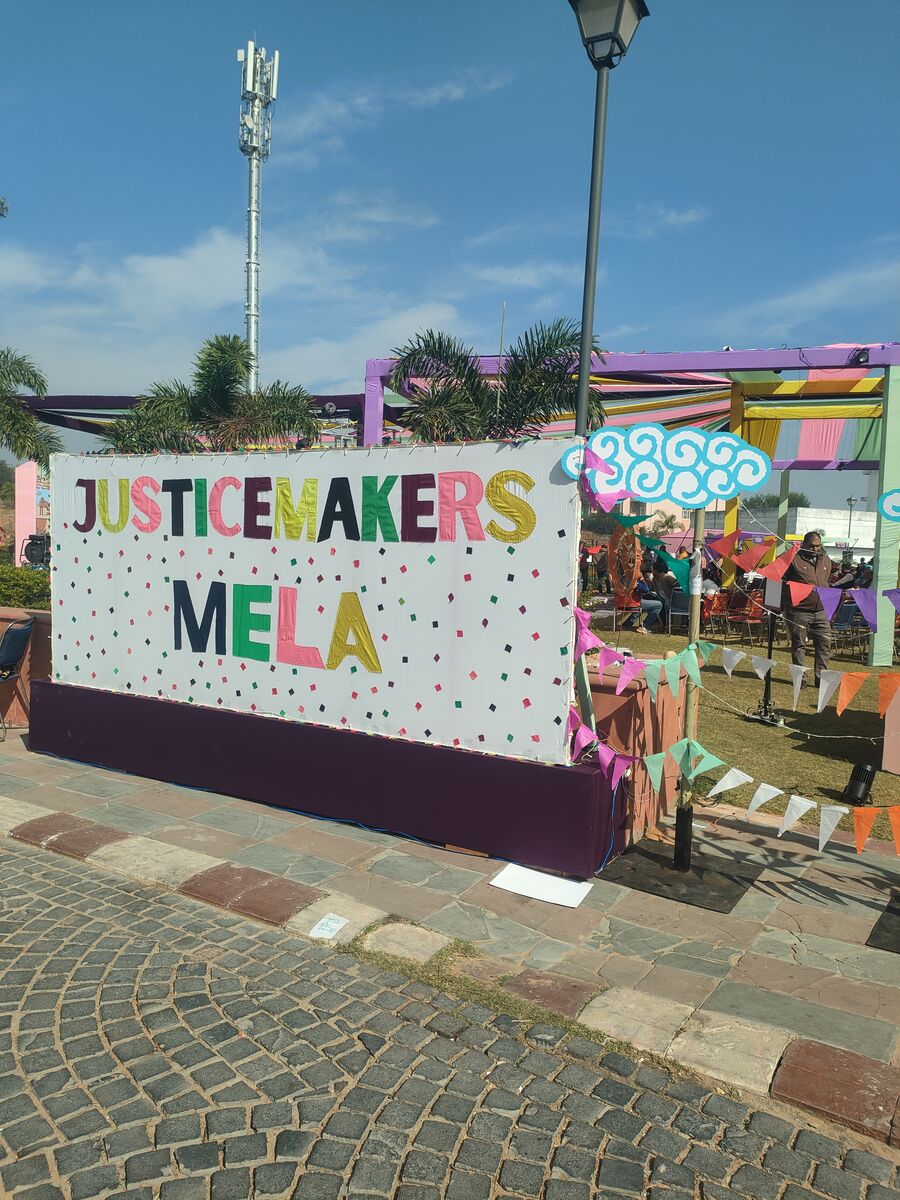
We've organized and participated in events across the country, from the Himalayan Startup Trek at IIT Mandi to the Justicemakers Mela in Jaipur to the Nature Dastakar Mela in Delhi. At each of these, the artisans told us that what meant the most wasn't just the sales, but the conversations. When someone stops and asks, "How did you learn this?" or "How long does this take to make?" it reminds them why they do what they do.
Host Artisans at Your Events
If you work in a corporate space, a university, or any organization that hosts events, consider inviting artisans to set up a stall. It gives them direct access to a new audience and eliminates the middlemen who often take a large cut of their earnings.
We've done this at IIIT Delhi's Entrepreneurship Summit, where artisans from the Delhi Foundation for Deaf Women showcased handmade and upcycled products like cloth folders, diaries, pouches, and bags. The response was overwhelming. If your workplace does wellness weeks, cultural fests, or team offsites, an artisan corner could be a meaningful addition.
Advocate for Fair Pricing
This one is crucial. When you haggle excessively with an artisan for a handmade product, you're devaluing hours of skilled labor. A machine-made kurta and a hand-embroidered one are not the same thing, and they shouldn't cost the same either.
Fair pricing is not about charity. It's about recognizing the skill, the time, and the tradition that goes into creating something by hand. If a handwoven saree costs Rs 3,000 and a factory-made one costs Rs 500, the difference is not just in the fabric. It's in the livelihood it supports, the craft it preserves, and the community it sustains.
Partner With Organizations Working on the Ground
If you're a business owner or part of an institution, consider partnering with organizations like ours that work directly with artisan communities. This could mean sponsoring a training program, funding an exhibition stall, providing materials for workshops, or even mentoring artisans on business strategy.
Our Master Trainers Bootcamp, done in collaboration with BareCraft in May and June 2024, reached 12 master trainers connected to over 500 women artisans across 8 states. Programs like these are only possible when multiple stakeholders come together, from NGOs and corporates to educational institutions.
Talk About It
Sometimes the most impactful thing you can do is simply bring artisans into the conversation. Whether it's a dinner table discussion about sustainable fashion, a LinkedIn post about ethical sourcing, or a college presentation on India's craft economy, every mention counts. The more we normalize conversations around artisan livelihoods, the closer we get to a world where these communities don't just survive, but thrive.
Supporting artisans is not a one-time transaction. It's an ongoing commitment to valuing handmade, respecting tradition, and choosing to be conscious about where our money goes and who it reaches. And honestly, once you start paying attention, you'll find that the opportunities to help are everywhere.
Share this article: