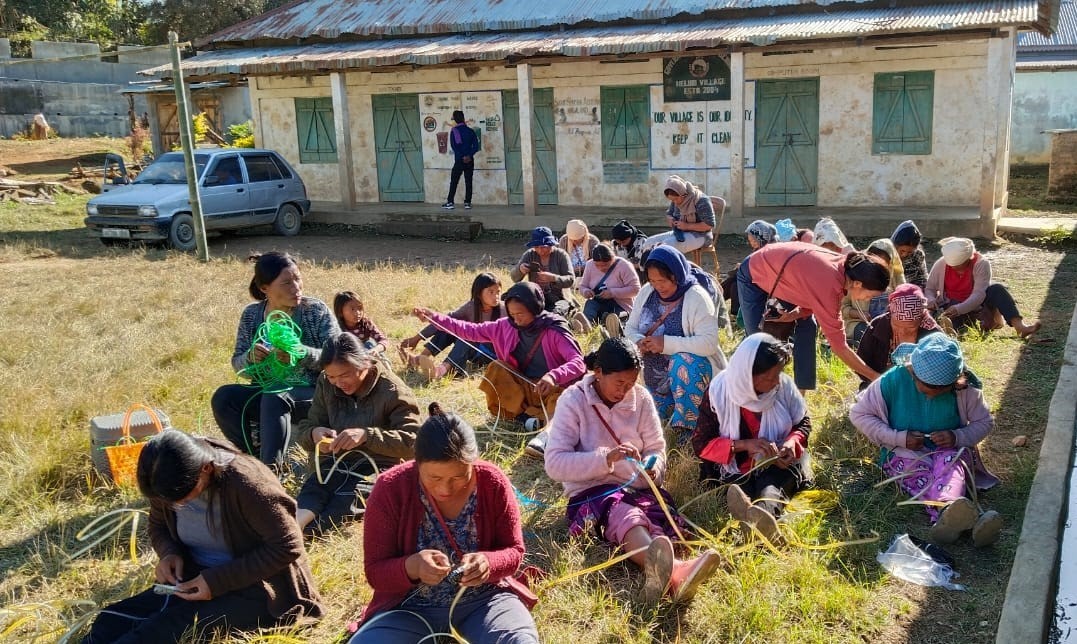
There's a woman in a village in Uttarakhand who wakes up before sunrise, finishes her household work, and spends the rest of the day crocheting bags and pouches that she sells through a local collective. She manages her own inventory. She negotiates with buyers. She trains younger women in her community. By every definition of the word, she is an entrepreneur. But nobody calls her one.
This is the disconnect we keep running into. India has millions of women artisans who make products, manage supply chains, handle customers, and generate income for their families. They possess deep technical skills passed down through generations. They solve problems every single day. And yet, when we talk about entrepreneurship in India, the conversation almost always centers around tech startups, venture capital, and pitch decks.
That's a massive blind spot.
The Numbers Tell a Story
India's handicraft sector employs over 7 million artisans, and the majority of them are women. The sector contributes significantly to exports, with Indian handicrafts shipped to more than 100 countries. But here's the thing: most of these women are classified as "workers" or "laborers" in official data. They're rarely counted as entrepreneurs, even when they are, in every practical sense, running their own micro-enterprises.
The problem is structural. Women artisans typically operate in the informal economy, without formal business registration, without access to credit, and without the kind of institutional support that other small business owners receive. They're invisible to the formal economy even though they actively contribute to it.
Skills Without Systems
When we started working with artisan communities at Minds of Meraki Foundation, one of the first things that struck us was the level of skill these women already had. We weren't introducing them to a new profession. They were already experts in their crafts. What they lacked was the business infrastructure around it.
A weaver in Bihar might produce some of the finest silk sarees in the country, but she has no idea how to price her work for profit. A chikankari artisan in Lucknow can execute 30 different stitches but doesn't have a way to reach customers beyond her neighborhood. A block printer in Rajasthan creates stunning fabric but has never heard of an Instagram business account.
This isn't a talent problem. It's an access problem. And when you start to close that gap, the results are immediate.
What Happens When You Invest in Artisan Entrepreneurs
During our Art-Entrepreneurship Bootcamp in Dehradun in January 2024, we worked with women artisans Uttarakhand. These women were skilled crochet artists, but many of them had never sold outside their local markets. Over the course of the bootcamp, we covered everything from pricing and costing to branding, product photography, and digital marketing.
The shift was visible. Women who had been underpricing their work by 50-60% started recalculating their costs and setting fair prices. They learned how to present their products for online platforms. They started thinking about what makes their craft unique and how to communicate that to customers who've never visited their village.
This is what happens when you treat artisans as entrepreneurs instead of beneficiaries. You stop asking "how do we help these poor women" and start asking "how do we remove the barriers that are keeping capable business owners from growing."
The Middleman Problem
One of the biggest obstacles for women artisans is the supply chain they're stuck in. In most traditional craft economies, the artisan sits at the bottom. Above her are multiple layers of middlemen: the raw material supplier, the design printer, the aggregator, the wholesaler, and finally the retailer. By the time a handmade product reaches a consumer in Delhi or Mumbai, the artisan who made it has received a tiny fraction of the price it sells for.
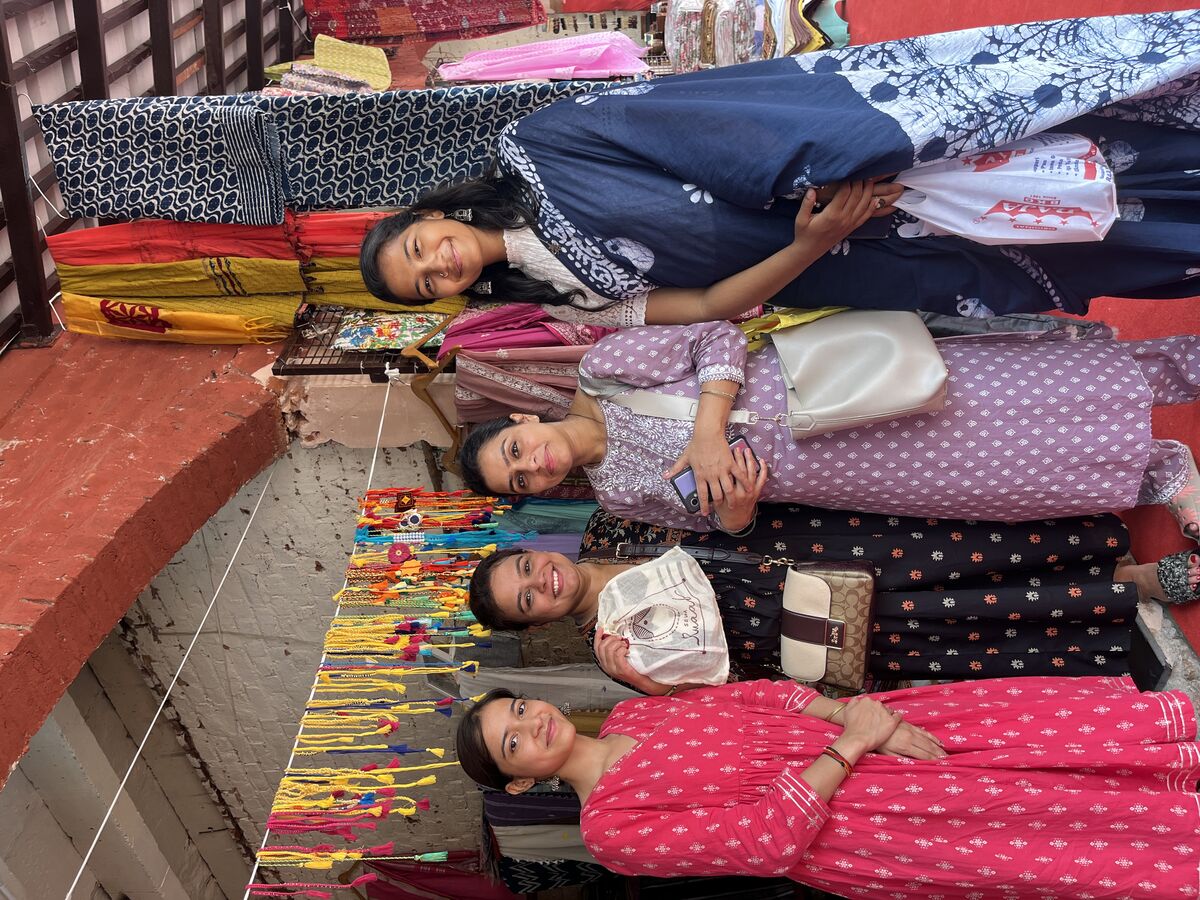
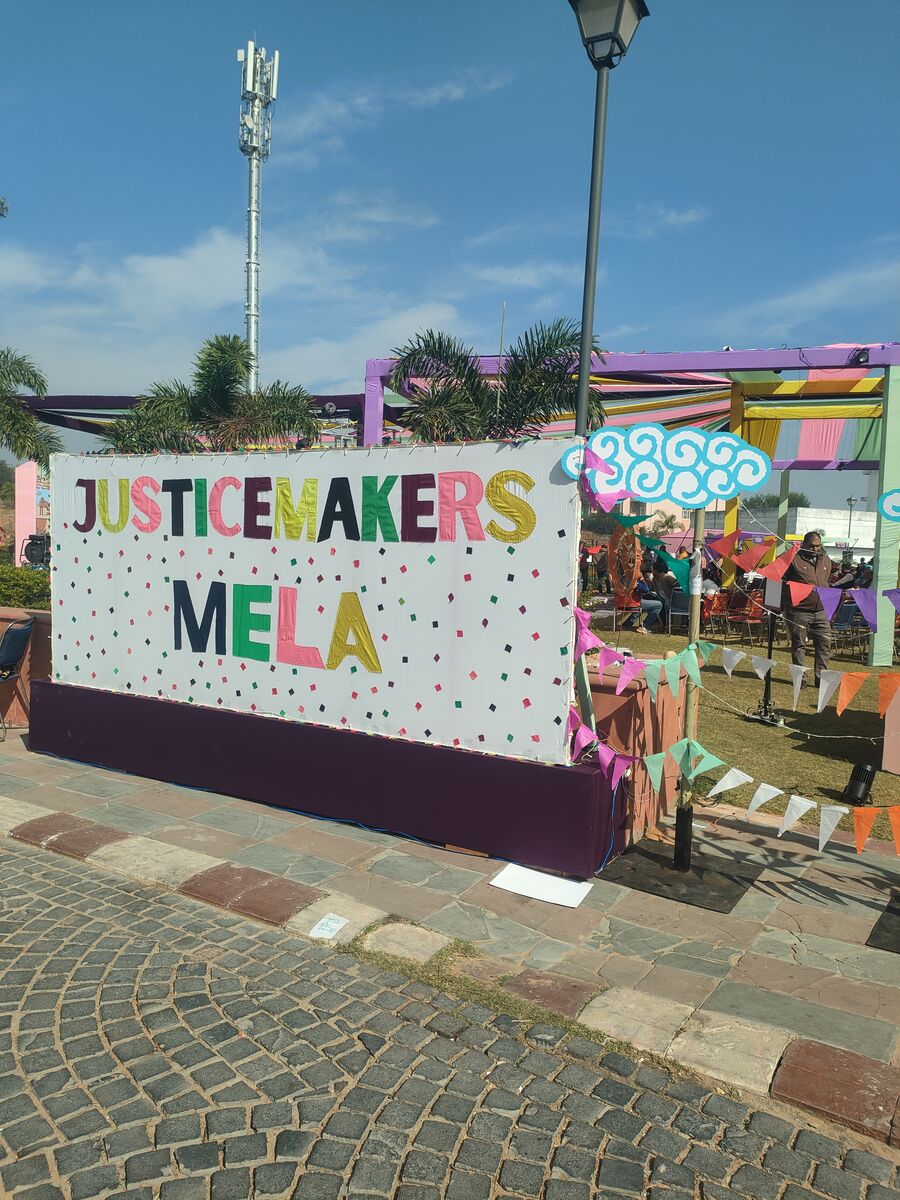
When we gave these artisans direct access to consumers through exhibitions like the Nature Dastakar Mela in Delhi and the Bhoomi Santhe in Bangalore, the change was dramatic. Artisans who had never interacted with end customers were now explaining their craft, negotiating prices, and building repeat relationships. They weren't just selling products anymore. They were running businesses.
Entrepreneurship Looks Different Here
Part of the reason women artisans get overlooked as entrepreneurs is because their businesses don't fit the conventional mold. There's no formal pitch. No registered company. No app. But there is deep domain expertise, there is customer understanding, and there is resilience that would put most startup founders to shame.
Consider what it takes for a woman in a rural community to sustain a craft-based livelihood. She's managing her time between household responsibilities and production. She's navigating a market she has limited access to. She's often the sole or primary earner for her family. She's doing all of this without formal training, without working capital loans, without mentors, and without the social permission that male entrepreneurs take for granted.
What Needs to Change
First, we need to redefine what entrepreneurship looks like. The current frameworks are built around urban, tech-forward, and mostly male models of business. That excludes a huge population of women who are already running enterprises but aren't recognized as doing so. Policy, funding, and support programs need to expand their definition to include craft-based micro-enterprises led by women.
Second, artisans need access to the same tools that any other entrepreneur would. Business training, fair credit, digital literacy, market linkages, and legal protections. Our Master Trainers program, done in collaboration with BareCraft, trained 12 master trainers connected to over 500 women artisans across 8 states. Programs like these create multiplier effects because each trained leader goes back to her community and shares what she's learned.
Third, we need to invest in direct market access. Every time an artisan sells directly to a consumer without going through five middlemen, she earns more, she learns more, and she grows more confident in her abilities as a businessperson. Exhibitions, craft fairs, and online marketplaces that are actually accessible to rural artisans are not luxuries. They're necessities.
The Opportunity Is Enormous
India's craft sector is worth over Rs 50,000 crores and growing. Consumers around the world are increasingly drawn to handmade, sustainable, and culturally rooted products. The demand is already there. What's missing is the bridge between the women who make these products and the markets that want them.
If India is serious about women's economic empowerment, the craft sector is one of the most obvious places to start. These women don't need to be taught how to work hard. They already do. They don't need charity. They need opportunity. They need to be seen not as workers at the bottom of a supply chain, but as entrepreneurs at the center of a cultural economy.
That shift in perspective changes everything.
Minds of Meraki Foundation works with women artisans across India to provide skill training, market access, and advocacy. To learn more or get involved, write to us at projectmeraki.womenatdior@gmail.com
Share this article: